
San Antonio Slip and Fall Lawyers
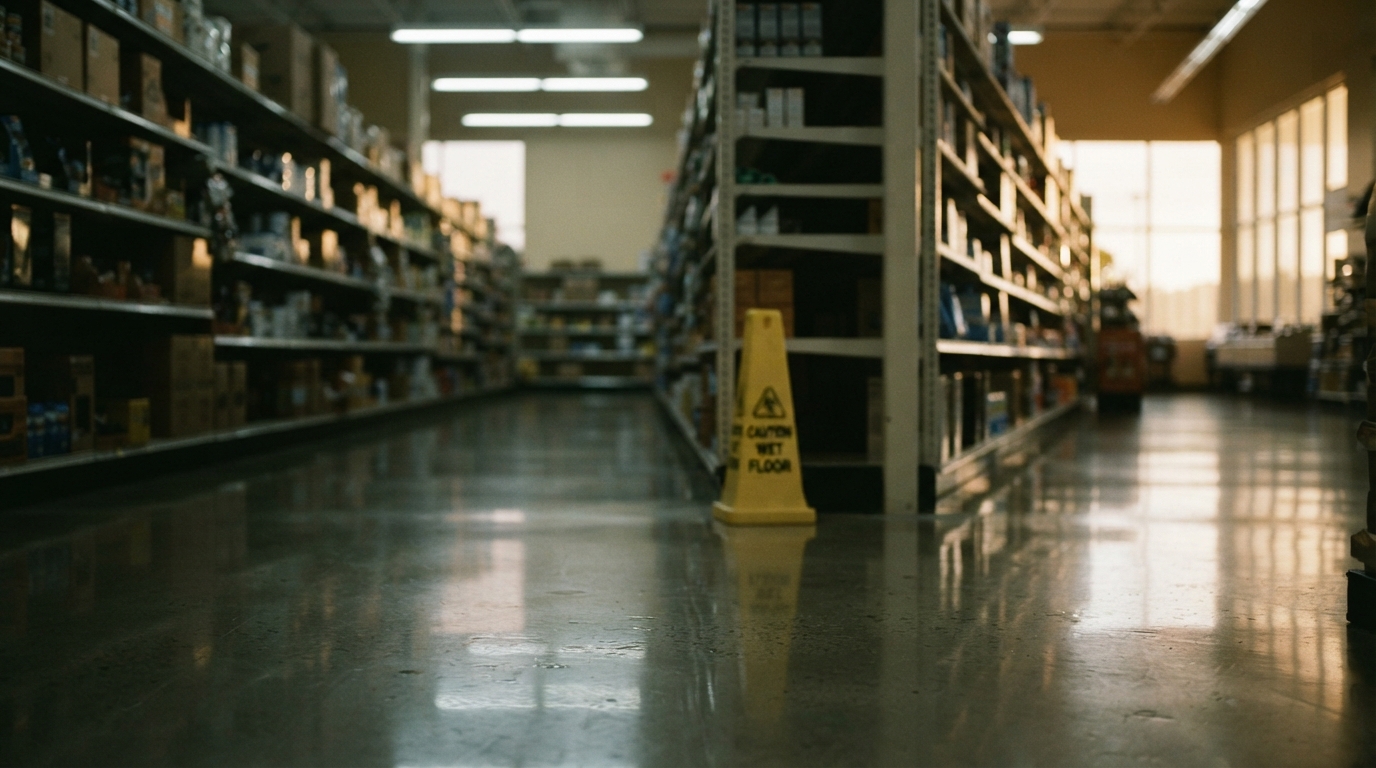
If you fell due to a wet floor, broken flooring, or poor lighting on someone else's property, the owner may be responsible. These cases depend on evidence and evidence disappears fast. Free consultation in English or Spanish: (210) 699-4945.
Disponible 24/7
Consulta gratis y confidencial
Atendemos en español — hable directamente con su abogada
Sin honorarios a menos que ganemos
What to do immediately — and why timing matters more here
In these cases, evidence is literally cleaned up in minutes. The spill is wiped, the floor is fixed, the cable is moved. What you do in the first minutes can determine whether you have a case or not.
Report the fall to the manager BEFORE you leave
Ask to speak with the manager and demand a copy of the incident report. If you don't report it before leaving, the store can claim it didn't happen there.
Photograph the hazard immediately
The spill, the ice, the broken floor, the cable — before it's cleaned or fixed. If there's no photo of the hazard, there's no case.
Photograph your shoes and what you were wearing
The insurer will say you fell because of your own shoes. A photo of your footwear that day refutes that argument.
Get witness information, including employees
Name and phone of anyone who saw the fall. Employees sometimes admit the hazard had been there for hours.
Ask if there are security cameras
Videos overwrite in days, sometimes hours. An attorney can send a letter to preserve the video before it's erased.
Medical attention that same day
Even if you feel fine, see a doctor. Head and internal injuries don't always hurt the first day, and early medical records are evidence.
Most people get up embarrassed, say "I'm fine" and leave. That's the moment the case is lost. Don't leave without reporting, photographing, and asking for the incident report.
What has to be proven
Simply falling isn't enough. In Texas, a premises liability claim generally turns on whether the owner knew or should have known of the hazard and failed to fix or warn, and on the visitor's status on the property.
The owner should have known about the hazard if it had been there long enough for them to have discovered and fixed it. A spill that's been on a supermarket floor for hours is different from one that just happened. That's why security videos and witnesses are so important.
The status of the person on the property also matters: invitee (a store customer), licensee (a social guest), or trespasser. Each category has a different level of the owner's duty.
We'll be honest with you: these cases are harder than people think. A firm that tells you that and explains why is more credible than one that promises the same thing for everything. Consult your case with us at no cost.
Where these happen
Falls at apartment complexes
Many tenants assume they can't claim against their landlord, or fear retaliation. The landlord has a duty to maintain common areas — stairs, hallways, lighting, parking — in safe condition.
If the landlord knew or should have known about the hazard — a broken stair reported multiple times, a dark hallway, raised pavement — and didn't fix it, they may be responsible for your fall and injuries.
If you're fired, have your hours cut, or are threatened after reporting an injury, that may constitute retaliation. Protections apply, with limits. We explain what they are and how they work in your specific case.
Common injuries
A fall can seem insignificant and result in a life-changing injury. In older adults, a hip fracture is life-changing.
How we charge
We work on a contingency fee basis: you pay nothing upfront, and we take a percentage only if we recover money for you. The initial consultation is free and without obligation.
Case costs — experts, medical records, filing fees — are separate from attorney fees. We explain how the money works before we start, clearly and with no surprises.
We'll be honest: these cases are harder than a car accident, and here's why. The insurer will argue you weren't paying attention, the hazard was obvious, or you were partly at fault. A firm that tells you that upfront is more credible than one that promises the same thing for everything.
¿Le pasó esto? Cuéntenos qué pasó.
La consulta es gratis y confidencial. Sin compromiso.